A SMEDAN report found that 80% of small businesses in Nigeria fail within their first five years. Most founders blame capital, power supply, or the economy, and those factors are real. But talk to enough Nigerian SME owners and a quieter problem shows up just as often: nobody can find them online. They built a beautiful Instagram page, ran a few boosted posts, and waited for customers who never came searching.
This is the gap SEO closes. While your competitors spend ₦500,000 a month on ads that stop generating traffic the moment the budget runs out, a well-built SEO foundation keeps bringing in customers who are actively searching for what you sell, at zero cost per click. Semrush research found that organic search accounts for 62% of all web traffic, more than email, social media, paid ads, referrals, and direct visits combined. If your business isn’t showing up there, you’re invisible to most people looking for solutions like yours.
Why is SEO important for small businesses in Nigeria specifically? Nigerian SMEs face a trust deficit, a tight budget, and an economy where every naira spent on marketing must justify itself. SEO is one of the few channels that gets cheaper and more valuable the longer you invest in it, instead of the other way around.
This article breaks down exactly why SEO matters for your business, what it actually delivers beyond rankings, and how to start building it without wasting money on tactics that don’t fit your size or stage.
What SEO Actually Means for a Small Business
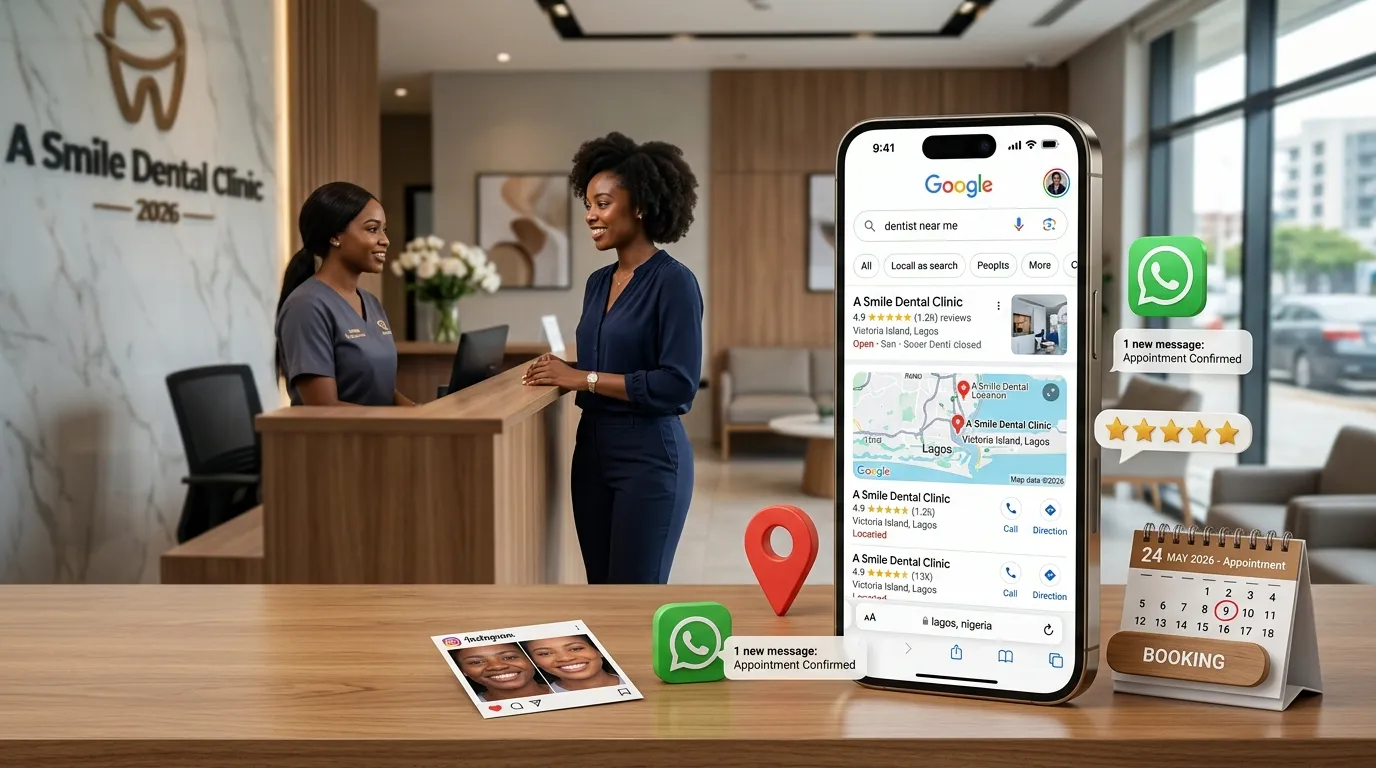
SEO, or search engine optimization, is the process of improving your website and online presence so that search engines like Google show your business to people searching for what you offer. For a small business, this isn’t abstract. It’s the difference between a customer in Surulere finding your generator repair service on Google versus calling three other competitors first because they showed up higher.
SEO works through three connected layers. Technical SEO makes sure search engines can actually access, read, and index your website properly. On-page SEO involves optimizing the content on each page, including your headlines, body copy, and meta information, so it matches what people are searching for and answers their questions clearly. Off-page SEO, primarily link building, signals to Google that other credible sites trust and reference your business, which builds your domain’s authority over time.
For most Nigerian SMEs, the starting point isn’t complicated. A Google Business Profile claimed and optimized, a website that loads quickly on mobile data, and a handful of well-written pages targeting what your customers actually search for will outperform most competitors who haven’t done any of it. This isn’t a guess. It’s what we’ve seen consistently across the clients we work with at Oxgital.
Why Is SEO Important for Small Businesses in Nigeria?
The case for SEO in Nigeria is stronger than in many other markets, precisely because of the constraints Nigerian SMEs operate under. Here’s what SEO delivers that other channels struggle to match.
SEO Reaches Customers Who Are Already Looking to Buy

Paid social ads interrupt people scrolling Instagram or TikTok who weren’t necessarily thinking about your product. SEO meets people in the exact moment they’re searching for a solution, which means the intent is already there before they reach your site. Someone searching “real estate agent Lekki” or “solar installation company Abuja” has decided they want this service. Your job through SEO is to be the answer they find.
This distinction matters enormously for conversion rates. LivePlan’s small business SEO research cites that 60% of marketers say their highest quality leads come from SEO-engaged customers, ahead of every other channel. High-intent traffic converts at a higher rate because the person has already done part of the decision-making before they ever land on your site.
SEO Keeps Working Without Continuous Spend

This is the structural difference that matters most for Nigerian SMEs working with limited budgets. Paid advertising stops the moment your budget runs out. A Meta ad campaign that generated 200 leads in October generates zero leads in November if you don’t reload the budget. An SEO-optimized blog post, by contrast, can continue ranking and generating traffic for months or years after it’s published, with only occasional updates required to keep it current.
We’ve watched this play out directly with Oxbillboards, a Nigerian outdoor advertising client we worked with. Through a sustained SEO content strategy, Oxbillboards now dominates billboard advertising search in Nigeria, meaning anyone searching for billboard advertising options in Lagos, Abuja, or Port Harcourt is highly likely to encounter their content first. That visibility didn’t require continuous ad spend once the content was built. It compounds.
This doesn’t mean SEO is free. Writing quality content, optimizing your site, and earning backlinks all require time or money. The difference is that the asset you build keeps producing after the investment stops, unlike ad spend that produces nothing the day you pause it.
SEO Builds Trust Faster Than Any Other Marketing Channel
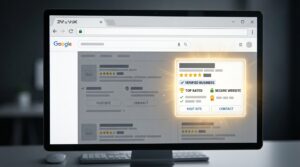
Nigerian consumers, particularly in B2B and high-ticket categories like real estate, law, and finance, do significant research before committing. If your business consistently shows up when they search for relevant questions, you build a perception of authority before they’ve even spoken to you.
LivePlan’s research makes this point directly: a strong SEO strategy where you show up in search results frequently creates the perception that your business is a trusted authority, telling potential customers you’re a credible source worth considering. For a Nigerian law firm or financial consultancy where trust is the entire sales proposition, ranking for “contract review lawyer Lagos” or “tax consultant for SMEs Nigeria” does work that no Instagram post can replicate. It demonstrates expertise rather than just claiming it.
SEO Is the Most Cost-Efficient Channel Over Time
Naira volatility makes every dollar-denominated ad platform unpredictable for Nigerian businesses. Meta and Google ad costs are priced in USD, which means your effective cost per lead in naira fluctuates with the exchange rate, sometimes dramatically, within a single quarter. SEO, by contrast, is largely insulated from this. The labor cost of writing content or improving your site doesn’t move with the dollar in the same way as auction prices do.
One marketer in a Reddit thread discussing whether SEO is worth it for small businesses put it well:
“Small businesses don’t have a lot of money to spend on ads. I think SEO is their sweet spot to get traffic at no cost. If done properly, it can benefit them in the long term.”
That framing matters, though it’s worth being precise about what “no cost” means. SEO isn’t free if you’re paying someone to do it. But compared to the continuous, dollar-denominated spend required to sustain paid ad visibility, SEO has a meaningfully lower long-term cost per customer acquired, especially once your content library matures.
SEO Levels the Playing Field Against Bigger Competitors
A Nigerian SME with ₦50,000 a month and no ad budget can outrank an established competitor with ten times the marketing spend, if that competitor has neglected their SEO. We see this constantly. Many established Nigerian businesses still have outdated websites, no content strategy, and no optimized Google Business Profile, despite spending heavily on traditional advertising or paid social.
This was the exact insight that one user shared in the same Reddit thread, describing how she ran a quick SEO check on her sister-in-law’s beauty business competitors and found that all of them had shockingly low domain rankings and no local SEO investment. That’s a genuine opportunity, not a hypothetical one. If you’re willing to invest consistently in SEO while your local competitors aren’t, you can capture the search visibility they’re leaving on the table.
What Happens If You Skip SEO as a Nigerian Small Business
The cost of ignoring SEO isn’t always obvious because it shows up as an absence rather than a problem. You don’t see the customers who searched for your service, found a competitor instead, and never knew you existed. That invisibility compounds over time as competitors who do invest in SEO accumulate domain authority, rankings, and organic traffic that becomes progressively harder to catch up to.
For Nigerian SMEs specifically, skipping SEO also means relying entirely on paid channels and word of mouth, both of which carry risk. Paid ad costs in naira terms can spike unpredictably when the exchange rate shifts. Word of mouth alone rarely scales fast enough to grow a business meaningfully within a competitive market. Without SEO, you’re building a business that’s structurally dependent on continuous spend or slow organic referral, with no assets accumulating in the background.
The businesses we see struggling most aren’t the ones with the smallest budgets. They’re the ones treating every marketing dollar as a transaction instead of an investment, which is exactly what happens when SEO never enters the conversation.
Common Misconceptions Nigerian Business Owners Have About SEO
A few misunderstandings come up consistently when we talk to Nigerian SME owners about SEO, and clearing them up changes how people approach the investment.
“SEO works instantly.” It doesn’t. SEO typically takes three to six months to show meaningful traffic gains for a new or under-optimized website, and competitive keywords can take longer. This is the single biggest reason businesses abandon SEO too early. If you need leads next week, SEO isn’t the right tool on its own. Pair it with paid ads for immediate results while your organic presence builds.
“SEO is only about keywords.” Keywords matter, but Google’s ranking algorithm weighs site speed, mobile usability, content quality, user experience, and backlink authority together. A page stuffed with keywords but slow to load and poorly written will lose to a competitor with cleaner content and a faster site, even with fewer keyword mentions.
“My business is too small for SEO to matter.” This is backwards. Local and niche businesses, exactly the category most Nigerian SMEs fall into, often see the strongest relative SEO results, because competition for specific local search terms is lower than for broad national or global keywords. A tailor in Surulere optimizing for “bespoke agbada tailor Surulere” faces far less competition than a national e-commerce brand chasing “buy clothes online Nigeria.”
“I need to rank number one for everything.” Ranking in the top three positions for the specific terms your actual customers search matters far more than ranking for broad, high-volume keywords that don’t match buying intent. A handful of well-targeted, locally relevant keywords usually outperforms chasing competitive national terms with no realistic path to ranking.
How to Get Started With SEO as a Nigerian Small Business

If you’re convinced SEO matters but don’t know where to begin, here’s the order that produces results without wasting your limited budget.
Claim and optimize your Google Business Profile first. This is free, takes under an hour, and is often the single highest-leverage SEO action available to a Nigerian SME with a physical location or service area. Add your correct business name, address, phone number, hours, and photos, and respond to every review you receive.
Identify the exact terms your customers search for. Don’t guess. Talk to your existing customers about what they typed into Google before finding you, or use a basic keyword research tool to validate search volume for terms relevant to your business and location.
Build a small number of strong pages before chasing volume. Five well-written, genuinely useful pages targeting specific customer questions will outperform fifty thin pages stuffed with keywords. Quality and relevance to actual search intent matter more than raw page count.
Make sure your website works properly on mobile data. Most Nigerian internet users browse on mobile connections that aren’t always fast or stable. A site that takes eight seconds to load on a typical 3G connection in Port Harcourt will lose visitors before they ever see your content, regardless of how well you’ve optimized the page itself.
Earn a handful of credible backlinks. Get listed in relevant Nigerian business directories, pursue mentions from local press if you have a genuine story, and consider guest contributions to industry publications relevant to your sector. Quality matters far more than quantity here. A handful of authoritative links outperform dozens of low-quality ones.
This is the same sequence we follow with clients at Oxgital through our SEO and digital marketing services, adapted to each business’s specific sector, whether that’s real estate, energy, professional services, or e-commerce.
SEO Works Best Alongside, Not Instead Of, Other Channels
SEO isn’t a replacement for everything else in your marketing mix. It’s the foundation that everything else performs better on top of. A Meta ad that drives traffic to a slow, poorly optimized website converts worse than the same ad sending traffic to a fast, well-structured page. An influencer partnership that generates interest in your brand benefits when people who search your name afterward find a credible, well-ranked website rather than nothing at all.
The smartest approach for most Nigerian SMEs is to run paid channels for immediate, predictable lead flow while building SEO in parallel for the compounding, long-term asset. Within twelve to eighteen months, the businesses we’ve worked with typically see their cost per lead from organic search drop well below their paid acquisition costs, because the content built early continues generating traffic without additional spend.
Frequently Asked Questions
How long does SEO take to work for a small business in Nigeria?
Most Nigerian SMEs start seeing measurable traffic gains within three to six months of consistent SEO work, though competitive local terms can take longer, and highly competitive national keywords may take a year or more. The timeline depends heavily on your current domain authority, your competition, and how consistently you publish and optimize content.
Is SEO better than paid ads for a small business?
Neither replaces the other. Paid ads generate faster, more predictable results, but stop the moment you stop spending. SEO takes longer to build but continues generating traffic without continuous spend once established. Most Nigerian SMEs benefit from running both, using paid ads for immediate lead flow while SEO compounds in the background.
Can I do SEO myself without hiring an agency?
Yes, to a meaningful extent. Claiming your Google Business Profile, doing basic keyword research, writing quality content targeting your customers’ actual questions, and ensuring your website loads quickly on mobile data are all achievable without specialist help. More advanced technical SEO, large-scale content strategy, and link-building campaigns typically benefit from professional support once your business reaches a stage where the additional investment is justified by potential returns.
What’s the difference between local SEO and general SEO for Nigerian businesses?
Local SEO focuses specifically on ranking for searches tied to a geographic area, such as “plumber in Ikeja” or “event planner Abuja,” and relies heavily on your Google Business Profile, local citations, and location-specific content. General SEO targets broader, often non-geographic search terms. For most Nigerian SMEs serving a specific city or region, local SEO delivers faster, more relevant results than competing for broad national keywords.
Conclusion
Why is SEO important for small businesses in Nigeria? Because it’s one of the only marketing channels that gets more valuable the longer you invest in it, in an economy where ad costs fluctuate with the dollar and customer trust has to be earned before a sale happens. It meets your customers at the exact moment they’re searching for what you sell, builds credibility passively, and keeps generating leads long after the initial investment.
The businesses winning in their categories right now aren’t necessarily spending more than you. They’re often just visible where their customers are already looking, and you can be too. If you’re not sure where your business currently stands on search or what your competitors are doing better, that’s worth finding out before you spend another naira on a channel that stops working the moment you pause it.
If you want a clear picture of where your SEO gaps actually are and what fixing them would realistically look like, reach out to us at Oxgital, and we’ll walk through it with you.